Current platforms and active ecosystems defining how games are played today (mid 2000s-present).
These systems feature online services, digital storefronts, live updates, and long lifecycle support.
Home & Hybrid Consoles
PlayStation 4: The PlayStation 4 established Sony’s dominance during the eighth console generation with a strong focus on first-party exclusives and developer-friendly hardware. Its long lifespan and extensive game library made it one of the most successful consoles of all time.
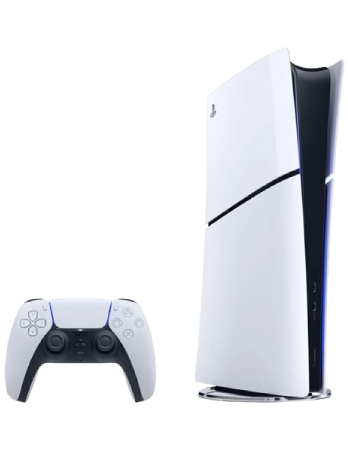
PlayStation 5: The PlayStation 5 delivers a major leap in performance with fast SSD loading, ray tracing and high frame rate support. Its exclusive titles and DualSense controller features define Sony’s current premium console experience.
Xbox One: The Xbox One positioned itself as an all-in-one entertainment system before refocusing on gaming through updates and exclusives. Its generation laid the groundwork for Microsoft’s subscription-led ecosystem approach.
Xbox Series X / Series S: Xbox Series X prioritises high-end performance, while Series S offers a more affordable, digital-first entry point. Together, they anchor Microsoft’s ecosystem-first strategy built around Game Pass and cross-generation support.
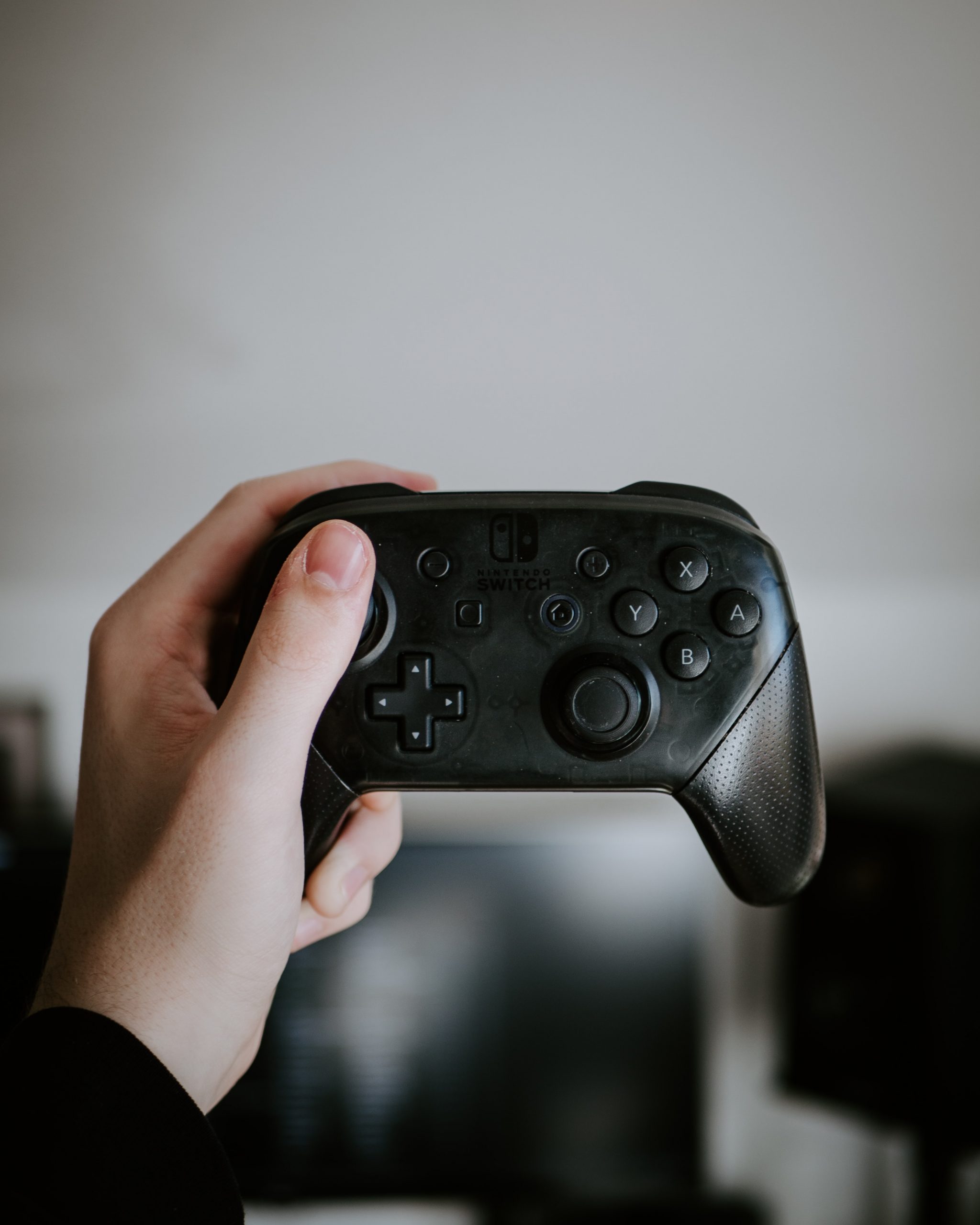
Nintendo Switch: The Nintendo Switch redefined console gaming by seamlessly blending home and handheld play. Its versatility, strong first-party titles and unique form factor set it apart from traditional console competitors.
Switch OLED: The Switch OLED enhances the original model with a larger, more vibrant display and improved build quality. While performance remains unchanged, it offers a noticeably better handheld gaming experience.
Switch Lite: The Switch Lite is a handheld-only version of the Switch, designed for portability and affordability. It sacrifices TV output and detachable controls in favour of a compact, dedicated portable experience.
Handheld / Console-Style Devices
Nintendo DS: The Nintendo DS introduced dual screens and touch input, reshaping handheld game design and broadening gaming’s mainstream appeal. Its massive library and innovative controls made it one of the best-selling consoles in history.
Nintendo 3DS: The Nintendo 3DS built on the DS foundation with stereoscopic 3D visuals and improved hardware. Strong first-party support and backward compatibility helped sustain its popularity despite early market challenges.
PlayStation Portable (PSP): The PSP brought console-quality visuals to handheld gaming, positioning itself as a powerful multimedia device as well as a gaming system. Its strong third-party support and premium design set new expectations for portable hardware.
PlayStation Vita: The PlayStation Vita featured advanced hardware, a high-quality OLED screen (on early models) and dual analogue sticks. Despite limited long-term support, it developed a loyal following and remains respected for its design and performance.
Steam Deck: The Steam Deck bridges PC and console-style gaming by offering portable access to a large PC game library. Its open ecosystem and strong performance have reshaped expectations for handheld gaming power.
ROG Ally: The ROG Ally focuses on high-performance handheld gaming with Windows-based flexibility. It targets enthusiasts who want access to PC storefronts and demanding games in a portable form factor.
Lenovo Legion Go: The Lenovo Legion Go combines a large, high-resolution display with detachable controls and PC-grade hardware. It positions itself as a premium handheld option for players seeking versatility and power on the move.
Characteristics: digital-first distribution, subscriptions, live services, cross-platform ecosystems.