Handheld Watch covers modern console-style handhelds such as Steam Deck, ROG Ally and Legion Go, analysing performance, compatibility and real-world usability.
SwitchWatch treats handhelds as part of the wider console ecosystem — not an afterthought.
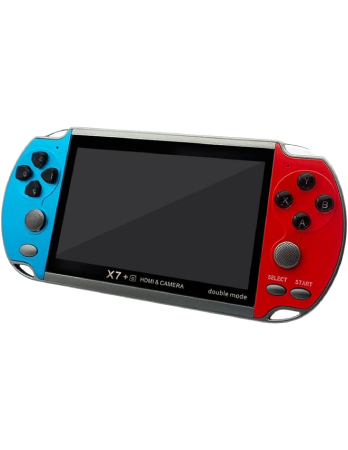
Handheld gaming has transformed from simple, single-purpose devices into fully capable, console-class systems. What began as basic, battery-powered entertainment has become an extension of the broader gaming ecosystem—allowing players to access their libraries anywhere without sacrificing performance or depth.
Handheld gaming entered the mainstream with devices designed for short, self-contained experiences. Nintendo’s Game & Watch series introduced portable play in the 1980s, followed by the revolutionary Game Boy, which brought full-length games like Pokémon, Tetris and Super Mario Land to a global audience. Subsequent generations—Game Boy Color, Game Boy Advance, Nintendo DS, and 3DS—expanded handheld gaming with better visuals, touch input and online connectivity. Sony’s PlayStation Portable (PSP) and PlayStation Vita pushed portable hardware further, offering near-console experiences with titles such as God of War, Gran Turismo and Persona 4 Golden.
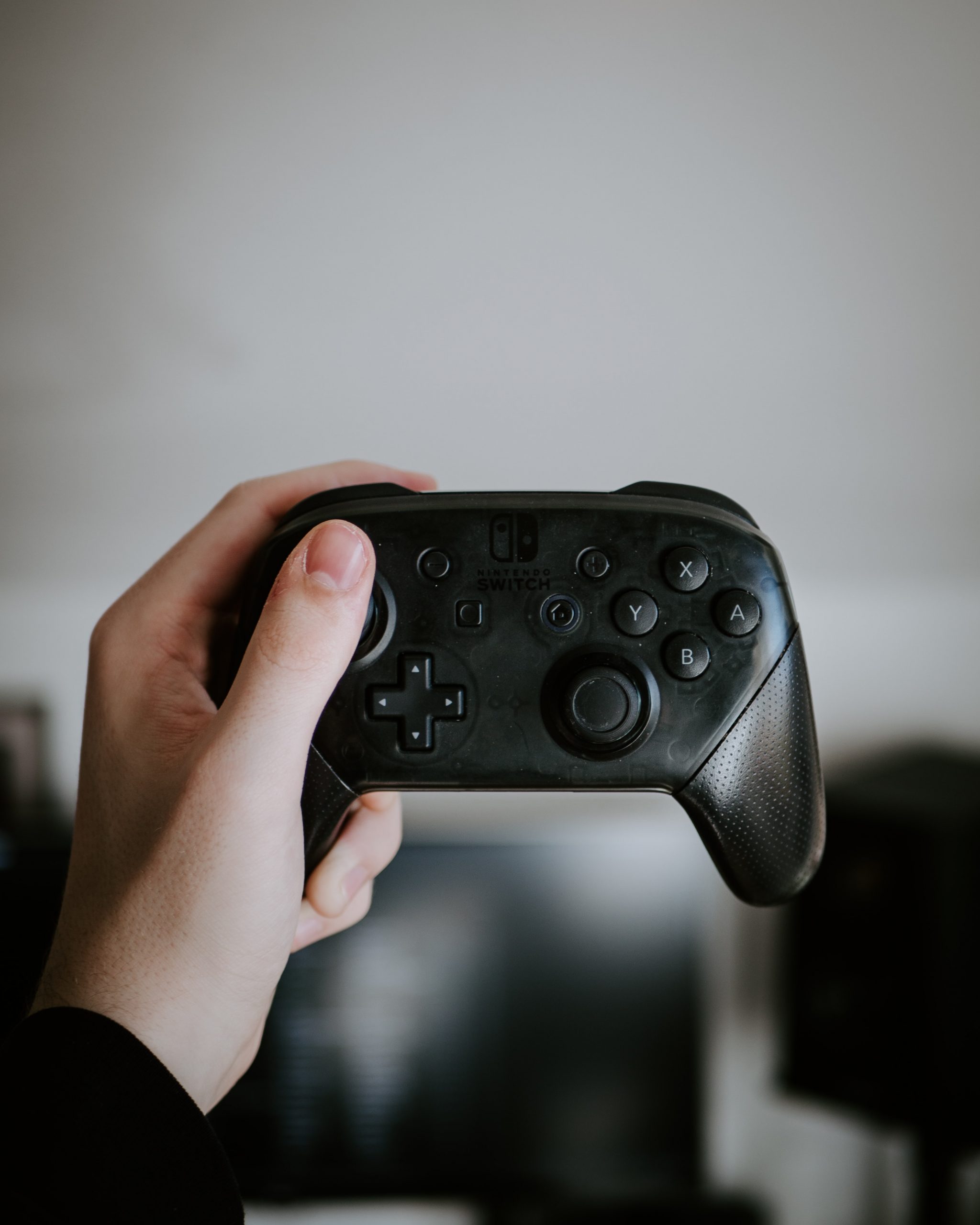
Nintendo reshaped the category with the Nintendo Switch, introducing a true hybrid system that functions as both a home console and a handheld. This blurred the line between portable and traditional gaming, enabling full-scale titles like The Legend of Zelda: Breath of the Wild and Super Mario Odyssey to be played anywhere without compromising scope or design.
More recently, a new class of handhelds has emerged that brings full PC gaming into portable form. Devices such as Steam Deck, ASUS ROG Ally, and Lenovo Legion Go allow players to access entire PC libraries, run modern AAA titles, and customize performance settings. These systems combine powerful processors, high-refresh displays and modern operating systems, positioning handhelds as legitimate alternatives to home consoles for many players.
Handheld devices today are increasingly part of a larger ecosystem:
- Cloud gaming enables access to console and PC titles without local installation.
- Cross-platform saves and libraries allow seamless transitions between handhelds, PCs and consoles.
- Accessory support and docking further integrate handhelds into living-room setups.
This shift means handhelds are no longer niche products—they are central to how many players experience modern gaming.
From early pixel-based portables to today’s high-performance handheld PCs, portable gaming has evolved into a core pillar of the industry. Handheld Watch continues to evaluate how these devices perform in real-world conditions—how well they run demanding games, how compatible they are with existing libraries, and how effectively they extend the console experience beyond the living room.